Where you stay near Chaumont-sur-Loire depends on whether you want walking access, a quiet base, or a larger town with more hotel choice and restaurants. For the overall event overview, start with the International Garden Festival visitor guide.
Stay in Chaumont-sur-Loire
Staying in the village can minimise travel time and make early starts easier. Accommodation can be limited in peak periods.
Stay in Blois
Blois offers a broader range of accommodation and dining options and can work well as a hub for multiple day trips.
Stay in Amboise
Amboise is a popular Loire Valley base with a strong historic atmosphere and good services for travellers building a multi-stop itinerary.
Stay in Tours
Tours often provides the widest hotel inventory and is practical for visitors relying on rail connections.
Booking priorities
Transport style: align your base with how you plan to arrive and move around.
Visit pacing: if you want a full day at the festival, staying closer can reduce time pressure.
Seasonality: weekends and mid-summer typically book out earlier.
The Loire Valley includes garden sites ranging from formal historic layouts to contemporary landscapes. If Chaumont-sur-Loire is your starting point, begin with the International Garden Festival visitor guide for the core overview.
Villandry
Villandry is best known for Renaissance-style formal gardens involving strong geometry, symmetry, and ornamental planting.
Chenonceau
Chenonceau combines château architecture with formal gardens and a distinctive riverside setting.
Blois and riverside landscapes
Blois offers a historic town visit with riverside walking options that can complement more garden-focused days.
How Chaumont fits into a gardens itinerary
Chaumont-sur-Loire stands out for contemporary, theme-driven gardens that change every year. A quick way to choose what to pair it with is to use a direct comparison: Chaumont-sur-Loire vs other Loire Valley gardens.
Practical planning
Pace: one major garden site per day is usually enough.
Transport: trains work well for major towns; a car adds flexibility for rural sites.
Season: late spring to early autumn often offers the strongest planting displays.
Chaumont-sur-Loire is accessible by train and road, making it practical for day trips and multi-day Loire Valley itineraries. For a full overview of what the festival includes, start with the International Garden Festival visitor guide.
Getting to Chaumont-sur-Loire by train
Train travel is a convenient option for visitors coming from Paris or nearby Loire Valley towns. Timetables and route planning can be checked via SNCF Connect.
Regional services connect Paris and the Loire Valley with Onzain–Chaumont-sur-Loire station
The station is within walking distance of the village and festival area
Travel time varies by service and connection
Visiting by car
A car can be useful if you plan to combine multiple rural sites or prefer flexible timings. During busy periods, arriving earlier in the day can make parking easier.
Day trip planning
Chaumont-sur-Loire can work well as a day trip. If you are combining the festival with another destination, see day trips from Chaumont-sur-Loire.
The International Garden Festival has developed into a major platform for contemporary garden and landscape design. For the practical introduction to visiting the event today, see the International Garden Festival visitor guide.
Origins in the early 1990s
The festival launched in 1992 as a way to establish Chaumont-sur-Loire as a centre for contemporary garden creation. The concept focused on temporary, theme-driven gardens rather than permanent historic reconstructions.
The role of annual themes
Each edition is organised around a theme that invites varied interpretation. This structure encourages experimentation and ensures that no two editions are the same.
From garden plots to a wider landscape programme
Over time, the site expanded beyond temporary plots to include longer-term gardens and art installations across the grounds, reinforcing the idea of a living landscape laboratory.
The festival sits within the Loire Valley cultural landscape, recognised internationally for the historic relationship between people, land, and design. Background information is available via UNESCO.
How the festival influences design today
The festival’s ongoing relevance comes from how it reflects contemporary concerns such as biodiversity, climate adaptation, and changing lifestyles, while still prioritising visitor experience and creativity.
The International Garden Festival is widely seen as a source of contemporary garden design inspiration. Many installations are experimental, but the principles behind them can be adapted for private gardens of different sizes. For the visiting overview, see the International Garden Festival visitor guide.
Design gardens as experiences
Festival gardens are designed to be entered and explored. In a home garden, you can apply this approach by creating routes, thresholds, and framed views rather than relying on a single viewpoint.
Use a clear theme
Strong themes help gardens feel intentional. A clear direction might be a shade garden, a single palette, or a wildlife-led planting plan.
Combine planting with structure
Lightweight structures such as screens, trellis, or simple pergolas can give planting a framework and improve scale, especially in small gardens.
Plan for seasonal change
Designing for the full season means using plants with structural presence beyond summer, including seed heads, winter silhouettes, and late-season texture.
For garden inspiration grounded in horticultural practice, the Royal Horticultural Society publishes practical guidance on planting and garden design.
See the ideas on site
To connect these principles to what you will see at Chaumont-sur-Loire, start with the best gardens to see. If you want background on the festival’s evolution, see the festival history.
Frequently asked questions
Are Chaumont-style design ideas suitable for small gardens?
Yes. Clear themes, layered planting, and simple structures can work especially well in compact spaces.
Do these ideas require specialist maintenance?
Not necessarily. Many concepts focus on seasonal change and natural growth, which can reduce long-term maintenance demands.
Can these ideas be adapted outside France?
Yes. Plant choices vary by climate, but the underlying design principles can be applied in many regions.
Chaumont-sur-Loire is well placed for exploring the wider Loire Valley. Many visitors combine the International Garden Festival with nearby towns and garden sites over one or more day trips.
Blois
Blois is a practical nearby base with a historic centre and riverside walks, and it works well as a second stop alongside the festival.
Amboise
Amboise offers a compact old town atmosphere and makes a good day out if you are building a broader Loire Valley itinerary.
Villandry
Villandry is known for formal Renaissance-style gardens and can be a strong contrast to Chaumont’s contemporary installations.
Chenonceau
Chenonceau combines château architecture with formal gardens and a distinctive riverside setting.
Plan day trips realistically
Pacing: one major site per day is usually more enjoyable than rushing multiple stops.
Travel: trains suit major towns; a car helps with rural sites.
Season: summer brings longer days but higher visitor numbers.
The Loire Valley offers gardens ranging from formal Renaissance layouts to contemporary landscape experiments. If you are deciding where Chaumont-sur-Loire fits, start with the International Garden Festival visitor guide for the core overview.
Chaumont-sur-Loire: contemporary and changing
Chaumont-sur-Loire is defined by its yearly themed festival gardens and the way installations evolve through the season. The visitor experience prioritises ideas, immersion, and experimentation.
Villandry: formal structure and symmetry
Villandry is known for highly structured formal gardens with strong geometry and ornamental planting.
Chenonceau: gardens within an architectural visit
Chenonceau combines château architecture with formal gardens and a distinctive riverside setting, with gardens supporting a broader historic experience.
Comparison table
Site
Garden style
Changes yearly
Main appeal
Chaumont-sur-Loire
Contemporary / experimental
Yes
Innovation and ideas
Villandry
Formal Renaissance
No
Structure and symmetry
Chenonceau
Formal historic
No
Architecture and setting
Which should you choose?
Many visitors find Chaumont-sur-Loire most distinctive if they are interested in contemporary design. If you want to prioritise what to see once you arrive, start with the best gardens to see at Chaumont-sur-Loire.
This guide covers how tickets typically work for the International Garden Festival at Chaumont-sur-Loire and what to expect from opening hours during the season.
Entry is usually structured as admission to the Domaine grounds that includes the festival route. A standard ticket typically covers:
Access to the International Garden Festival installations
Access to permanent and long-term gardens on the estate
Access to exhibitions presented across the site
Should you book in advance?
Advance booking is recommended in peak periods, especially weekends, public holidays, and mid-summer. If you are travelling for a specific day, booking ahead can reduce uncertainty and queue time.
Opening hours during the season
The festival season generally runs from spring to autumn. Opening and closing times can vary by month, and last entry is typically before the official closing time.
The International Garden Festival changes noticeably through the season as plants mature, weather shifts, and visitor numbers rise and fall. For an overall introduction to what the event includes, see the International Garden Festival visitor guide.
Spring (April to May)
Early-season visits highlight fresh planting and emerging structures. Temperatures are often more comfortable for walking longer routes.
Summer (June to August)
Summer typically brings fuller planting and longer days, but also higher visitor numbers. Morning or late afternoon visits can be more comfortable in hot weather.
Autumn (September to early November)
Late-season visits can be quieter and more atmospheric, with warmer tones and stronger textural planting as gardens age.
How timing affects what you see
If your priority is dense planting and colour, mid to late season often delivers the fullest look. If you are interested in design ideas and structure, earlier visits can make layouts and concepts easier to read.
Must-see festival and permanent gardens at Chaumont-sur-Loire, plus what changes through the season and how to plan your route.
Chaumont-sur-Loire combines temporary themed festival gardens with permanent and long-term installations across the grounds. For the broader visiting overview, start with the International Garden Festival visitor guide.
The themed festival gardens
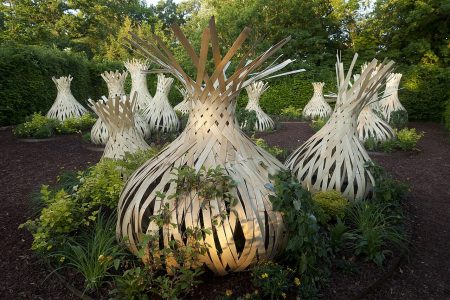
The temporary gardens are the core of the festival. They change each year and are designed to be experienced from within, often using planting, structure, and narrative to interpret a theme.
Permanent and long-term gardens
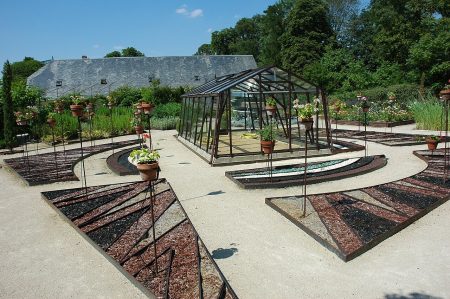
Alongside the annual plots, the site includes gardens and landscape works that remain in place longer. These provide a more stable counterpoint to the experimental festival route and can be valuable for repeat visitors.
Art and landscape integration
Many garden areas sit alongside contemporary art installations. This blend of landscape and art is a defining feature of the Chaumont-sur-Loire experience.
Complete visitor guide to the International Garden Festival at Chaumont-sur-Loire, including what to see, when to go, and tips.
The International Garden Festival at Chaumont-sur-Loire is a major annual event for contemporary garden design in France’s Loire Valley. Each edition presents temporary themed gardens created by international teams, alongside longer-term gardens and cultural exhibitions across the estate.
The festival is theme-led. Designers interpret a yearly theme through gardens that may be ecological, conceptual, playful, or sensory. The emphasis is on experiencing spaces from within: routes, thresholds, planting density, and material choices are part of the design.
What you can see
Temporary themed gardens created for the current edition
Permanent and long-term gardens across the grounds
Art and cultural installations integrated into landscape settings
Seasonal planting that evolves from spring through autumn
Many visitors plan at least half a day for the festival route. If you want time for gardens, exhibitions, and a slower pace, a full day is often more comfortable.
The festival takes place within the Loire Valley cultural landscape, recognised for its long history of interaction between people, land, and design. Background information is available via UNESCO.
Frequently asked questions
Is the International Garden Festival suitable for children?
Yes. Many gardens are visually engaging, and some installations are interactive, making the visit suitable for families.
Do the gardens change during the season?
Yes. Plant growth and seasonal flowering mean the gardens evolve from spring through autumn, so the experience can look different over time.
Is the festival accessible?
Large parts of the grounds are accessible, but some routes include uneven surfaces and gentle slopes due to the historic landscape setting.
A friend of mine was struggling recently when trying to find the right car for his trip to Chaumont. His companions included his grandad who needs a wheelchair to get around. He was looking for a big vehicle that would allow his grandad easy access as well as a good amount of space for his chair and other essentials.
Most of the usual car rental websites were coming up short until he found a specialist 9 seater car hire website at https://www.9seatercarhire.org.uk/. This was great as it only lists nine seaters. It made making a decision so much easier.
If you are in a similar situation then they are worth checking out. Minibuses and MPVs as well as People Carriers are often the names used for such vehicles so keep that in mind when searching.
Chaumont is about a 3 hour drive from Geneva. The city of Geneva is an excellent place with much to see and do for tourists. Many skiing and winter sports places are in close proximity.
There are many museums to visit plus destinations such as Jet d’Eau and the St Pierre Cathedral which appear to be very popular with tourists.
In regards to the airport, it is unique from others since it is split between both France and Switzerland. You can choose between a Geneva Airport Car Hire Swiss side offer or a French side deal, although the prices may vary.
If you wish to drive on the Swiss Motorway then you need a vignette.
Holiday in Geneva
Renting a car has become very popular as public transport is not always efficient. If you would like to rent a car then you of course will need to have a valid drivers license.
Car Rental provides you with the freedom to do what you like whenever you wish to do it without needing to be worried about public transportation timetables. If you are planning on traveling with youngsters than hiring a car can be useful as little ones typically require more breaks than older people do.
You will be able to stop for lavatory breaks whenever the need arises. This will be hard to do without the use of a vehicle.
Comfort and ease should be the first top priority while on a trip mainly because it makes the trip more fun. Hiring a car allows you the independence to pack anything you may need and not have to worry about carrying things around. It may also end up being a whole lot more budget friendly because you will be saving overall on public buses or taxis.
If you have your traveling documents to hand than you will have the capability to cross the border to other tourist destinations like France. This will be a very simple thing to do if you have the use of a car.
Visiting Chaumont is of course fantastic but don’t forget to see the rest of the country. France is a wonderful experience and something you will want to enjoy every minute of.
There is an abundance of activities to get involved in and sights to see. Depending on what type of holiday you have in mind, it could be a good idea to start arranging everything well before the time you are due to arrive. This means all the essentials.
Take out your laptop or a good old fashioned pen and piece of paper and start to jot down exactly what you will require during your stay. If you are responsible for other people then of course you will need to think carefully about what they will require.
Car Hire
For car hire, I usually use a cost comparison website such as the one here at car hire France as this way I can check the prices of cars at lots of different companies.
You can also narrow down your options if for instance you requite an automatic or perhaps a 4×4.
I visited the south of France last summer and booked a car hire Perpignan Airport deal. It was as expected and offered good value.
I use the same kind of system when looking for hotels. Just put in your details and like with car rental you will be given a list of choices from various suppliers. Then its a straightforward choice of choosing between the various offers.
Flights
Flights should be booked online I think. The days of going to your local travel agent seem to be in the past as they simply cant compete with budget airlines or I guess what I really mean is that they will offer you the same flights as you could find online but with their commission tacked on which is fair enough too of course, They have got to make a living after all.
For hotels I normally try a site like Expedia or one of the big price compare websites. I just find it easiest really.
There are a few others I like to check as well but in general its sites like this where I will generally settle on a final choice. Its great to be able to look at the options clearly when weighing up a decision – pros – write em down, cons – write em down – simple stuff.
Mort de Jean-Paul P, créateur et directeur du Festival des jardins de Chaumont-sur-Loire (Conservatoire International des Parcs et Jardins et du Paysage)
Le Festival
Le Festival des jardins est ouvert pour 5 mois : prenez le temps de découvrir le thème de l’année :
“Les jardins ont de la mémoire”, du 30 avril au 16 octobre
Cette année, la période d’ouverture est plus longue et vous permet donc de voir se succéder plusieurs floraisons : passionnés, curieux ou « voisins » de Chaumont, venez suivre l’évolution des jardins au fil des saisons.
Offrez-vous une journée mémorable au cœur du Val de Loire : prenez le temps de vous promener dans les jardins du Festival, de flaner à travers les allées fleuries, de faire une pause gastronomique aux restaurants du Festival, de plonger dans l’atmosphère des cuisines à l’époque des Broglie, ou de découvrir l’exceptionnelle reconstitution en papier plié de la chambre de la Princesse …
Une carte de fidélité vous permet maintenant de venir autant de fois que vous le souhaitez pour l’équivalent de deux entrées payantes
Avis aux paysagistes, architectes, designers, artistes… leconcours est lancé : “Mobiles ! Des jardins pour un monde en mouvement“.
Téléchager lecahier des charges et le règlement
Offrez: le catalogue du Festival “Jouer au jardin : ce livre s’adresse à tous les curieux et amateurs de création dans les jardins, qu’ils soient déjà venus visiter les jardins ou non.
Faites plaisir à vos proches et préparez leur une journée à Chaumont-sur-Loire : promenade au coeur des jardins du Festival, déjeuner au restaurant gastronomique, visite du Château… Téléchargez le bonde commande et composez votre journée “à la carte”.
Avant votre visite, une petite balade virtuelle au coeur du Festival…
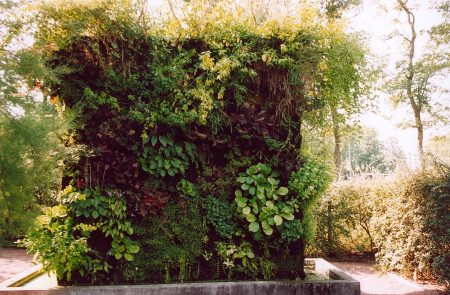
Ce jardin continue à fasciner les visiteurs du festival et nous continuons à l’utiliser pour expérimenter des situations de plantation originales. Le principe reste le même : trois murs à deux faces légèrement courbes en PVC reposent sur une structure de métal. Les plaques sont couvetes d’une aquanappe en feutre.
Des bassins en circuit fermé et un système d’arrosage programmé par horloge assurent l’humidification permanente des murs. Chaque mur présente des orientations et des hauteurs différentes, créant aisni des climats très divers et permettant des développements de plantes originaux.
Pour leur troisième année d’existence et d’expérimentation, les murs végétaux accueillent au bord de la cascade environ 15 espèces de saules et une collection de fuchsias.
The garden consistently fascinates visitors and we continue to use it to experiment with original planting situations. The principle is still to use the three existing walls. They are slightly curved and made by mounting PVC on metal. These surfaces are covered with a felt capillary nap.
An adequat level of humidity is maintened recirculating water from the pools with the help of a timer.
Each wall is of a different height and is oriented differently, thus creating extremely diverse climates which allow original planting.
For their third year, the walls will host 15 species of willow and a collection of fuchsias and cape figwort.
Geneva is a three hour drive from Chaumont. Many attendees of the festival arrive at Geneva Airport. If you need to rent a car, we would advise that you book a car hire Geneva Airport French side deal as a car hire Geneva Airport Swiss side rental would unnecessarily complicate things with the need for a vignette etc
Principales plantes du jardin
Cornus alba ‘Sibirica’
Cornus bessei ‘Kelsey’s Dwarf’
Euonymus ‘Manhattan’
Fuchsia ‘Calumet’
Fuchsia ‘Collinghamii’
Fuchsia ‘Elma’
Fuchsia ‘Fuji San’
Fuchsia ‘Luntens Klokje’
Fuchsia ‘Maori Pipes’
Fuchsia ‘Northumbrian Pipes’
Fuchsia ‘Tarra Valley’
Fuchsia ‘Très Long’
Fuchsia ‘Uillean Pipes’
Fuchsia arborescens
Fuchsia cinerea
Fuchsia coccinea
Fuchsia decussata
Fuchsia denticulata
Fuchsia fulgens
Fuchsia jimenezii
Fuchsia nigricans
Fuchsia pallescens
Fuchsia paniculata
Phygelius capensis
Phygelius x rectus
Gifts and Souvenirs
The Château Boutique and the Garden Boutique offer visitors the option of purchasing some great souvenirs and handmade gifts from materials such as wood, paper and glass, perfect for him, her or perhaps a family member.